Source Adjustable Manual Turf Line Marker for Sports Fields
Find 30 adjustable manual turf line marker options for sports fields, schools, and parking lots. Compare semi-automatic and self-propelled models with varying hopper capacities and tire types to select the right equipment for your facility; compare the available evidence and request quotations based on your requirements.
Key considerations
Products List


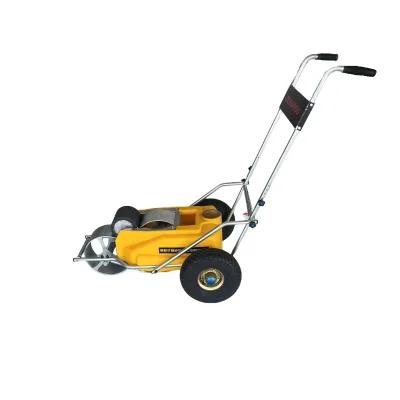
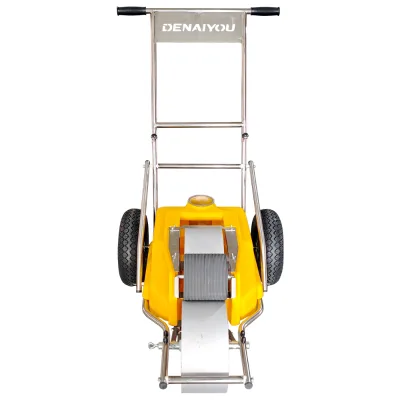
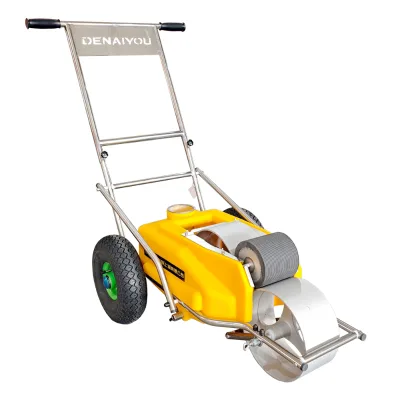
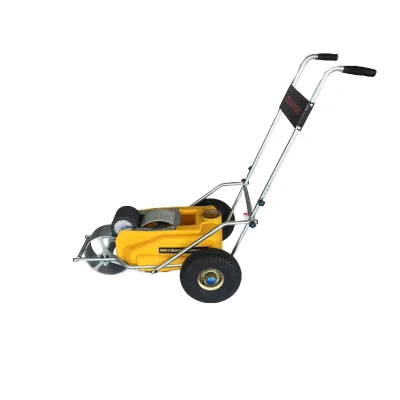






Comprehensive Sourcing Guide
Adjustable Manual Turf Line Marker Sourcing Guide
Procuring an adjustable manual turf line marker requires a clear understanding of the operational environment and the specific marking requirements of your facility. These devices are primarily designed for sports fields, schools, parking lots, and road markings, offering a versatile solution for maintaining clear visual boundaries. The core appeal lies in their portability and ease of use, allowing maintenance teams to quickly adapt to different field layouts without the need for heavy, fixed infrastructure. Buyers must evaluate whether the manual nature of the tool aligns with their labor capacity and the frequency of line reconfiguration needed for multi-purpose venues.
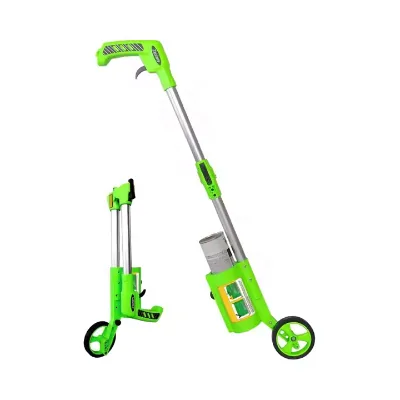
The market offers a range of configurations, from simple hand-push models to more complex semi-automatic systems with adjustable features. Key differentiators include hopper capacity, tire type, and handle adjustability, which directly impact user comfort and marking consistency. For instance, pneumatic tires provide better traction on uneven turf, while adjustable handle heights reduce operator fatigue during extended use. Understanding these mechanical distinctions is crucial for selecting a unit that balances efficiency with ergonomic safety, ensuring that the chosen equipment enhances rather than hinders daily maintenance workflows.
Product Scope and Observed Listing Signals
Current market listings reveal a diverse array of manual line marking equipment, with observed price points ranging significantly from low-cost basic units to higher-end specialized tools. The minimum order quantities (MOQ) typically start at one unit, catering to both individual facility managers and larger procurement contracts. Listings often highlight specific models such as the HX3000 or JKL001, each with distinct specifications regarding weight, power source, and marking width. Buyers should note that while some units are purely manual, others may incorporate electric or semi-automatic components, blurring the line between traditional manual tools and powered assist devices.
Observed attributes frequently include customization options, such as OEM branding and specific color specifications for paint or tape. The standard working width for many manual markers is around 120mm, though some specialized tools offer narrower widths for precise detailing. Packaging is commonly listed as wooden cases, indicating the need for robust shipping protection due to the mechanical nature of the equipment. Additionally, features like ball valve drainage or tipping drainage systems are noted, which are critical for preventing paint residue buildup and ensuring consistent flow during operation.
Technical Specifications to Verify
When evaluating technical specifications, the hopper capacity is a primary consideration, with common capacities around 12 liters for manual units. This volume determines the frequency of refilling and impacts the continuity of large-scale marking jobs. Buyers should also verify the tire specifications, as pneumatic tires like the 4.00-4 size offer superior shock absorption and maneuverability on soft turf compared to solid rubber alternatives. The handle height adjustment mechanism, often featuring three-position settings, is essential for accommodating operators of different statures and reducing strain during prolonged use.
The marking width and line quality are critical for compliance with sports regulations, with standard widths often set at 120mm. Verify the drainage method, whether ball valve or tipping, as this affects maintenance ease and paint consistency. Additionally, check the overall dimensions and weight of the unit, as these factors influence storage requirements and transport logistics. For electric-assisted manual models, confirm the operating voltage and battery capacity, ensuring they meet the power demands of the integrated pump system without compromising portability.
Compliance and Safety Documentation
Safety documentation is paramount when sourcing manual line marking equipment, particularly regarding the materials used in construction and the chemicals handled during operation. Buyers should request material safety data sheets (MSDS) for any integrated paint systems or cleaning agents to ensure compliance with local environmental and occupational health regulations. The equipment itself should be designed to minimize ergonomic risks, with features like adjustable handles and balanced weight distribution reducing the potential for musculoskeletal injuries.
Certification status for the mechanical components, such as brakes or structural integrity, should be verified against relevant industrial safety standards. While specific certification marks may vary by region, buyers must ensure that the supplier provides evidence of rigorous quality testing. Additionally, warranty terms, often listed as one year for key components, provide a baseline for accountability. Buyers should clarify the scope of online support or after-sales service to ensure timely assistance in case of mechanical failure or operational issues.
Cost Drivers and Commercial Terms
The cost of adjustable manual turf line markers is influenced by several factors, including the complexity of the mechanism, material quality, and customization options. Units with semi-automatic features or electric assistance typically command higher prices due to the added electronic components and engineering complexity. Customization, such as OEM branding or specific color schemes, can also impact the final unit cost, especially for larger orders. Buyers should analyze the total cost of ownership, including maintenance, spare parts availability, and potential downtime, rather than focusing solely on the initial purchase price.
Commercial terms, including MOQ and lead times, vary significantly among suppliers. While some suppliers offer single-unit purchases, others may require higher volumes for customized orders. It is essential to negotiate clear terms regarding shipping, packaging, and insurance, especially for international orders. The observed packing in wooden cases suggests additional handling care is required, which may affect logistics costs. Buyers should also inquire about bulk discounts or long-term service agreements to optimize their procurement budget.
Supplier Qualification and Quality Control
Supplier qualification is a critical step in ensuring the reliability and longevity of the purchased equipment. Buyers should verify the supplier’s manufacturing capabilities, including their experience in producing line marking tools and their adherence to quality management systems. Originating from regions like Shanghai, China, suppliers may offer competitive pricing, but buyers must conduct thorough due diligence to assess their reputation and track record. Requesting references or case studies from previous clients can provide valuable insights into the supplier’s reliability and product performance.
Quality control processes should be transparent and rigorous, with clear protocols for inspection and testing before shipment. Buyers should inquire about the supplier’s defect rate and their procedures for handling non-conforming products. Additionally, verifying the supplier’s ability to provide consistent product specifications across batches is essential for maintaining uniformity in facility markings. Establishing a clear communication channel for technical support and issue resolution is also vital for long-term partnership success.
Long-Term Procurement Checks
Long-term procurement success depends on the supplier’s ability to provide consistent product quality and reliable after-sales support. Buyers should establish a periodic review process to assess the performance of the line markers in real-world conditions, noting any issues with durability, ease of use, or maintenance requirements. Feedback from maintenance staff is invaluable for identifying potential improvements or necessary adjustments to the procurement strategy. Regularly updating the supplier on changing needs or new regulatory requirements ensures that future orders remain aligned with operational goals.
Building a strong relationship with the supplier can lead to better pricing, priority service, and access to new product innovations. Buyers should consider negotiating long-term supply agreements that include volume discounts and guaranteed lead times. Additionally, staying informed about industry trends and technological advancements in line marking equipment can help buyers make proactive decisions about upgrades or replacements. Continuous evaluation of the procurement process ensures that the organization remains efficient, compliant, and cost-effective in its facility maintenance operations.
FAQs
How is the handle height adjusted on this marker?
The handle height is adjusted using a three-position adjustable mechanism designed for operator comfort. This feature allows users to customize the working height to suit different body types and operational preferences while maintaining stability during the line marking process on various surfaces.
What is the maximum loading capacity of the hopper?
The hopper has a maximum loading capacity of 30kg to ensure efficient material handling. This capacity supports continuous operation without frequent refills, making it suitable for large-scale applications such as sports fields, parking lots, and road markings where extensive line drawing is required.
Which drainage methods are available for this equipment?
This equipment offers ball valve drainage and tipping drainage methods for versatile fluid management. These options allow operators to easily empty the hopper or manage residual paint, ensuring the machine remains clean and ready for the next job without complex disassembly procedures.
Can the product be customized for specific needs?
Yes, customization is available to meet specific project requirements or branding needs. Buyers can request tailored solutions that align with their operational standards, ensuring the line marker fits perfectly into their existing workflow and meets unique application demands for various outdoor surfaces.
What is the standard working width for the line marker?
The standard working width is 120mm, providing consistent and precise line marking results. This width is ideal for creating clear markings on sports fields, schools, and parking lots, ensuring visibility and compliance with standard safety and layout requirements for various outdoor environments.
How is the product packed for shipping?
The product is packed in a wooden case to ensure safe transport and protection. This robust packaging method prevents damage during transit, making it suitable for international shipping from the origin in China to various global destinations where secure delivery is essential for heavy machinery.